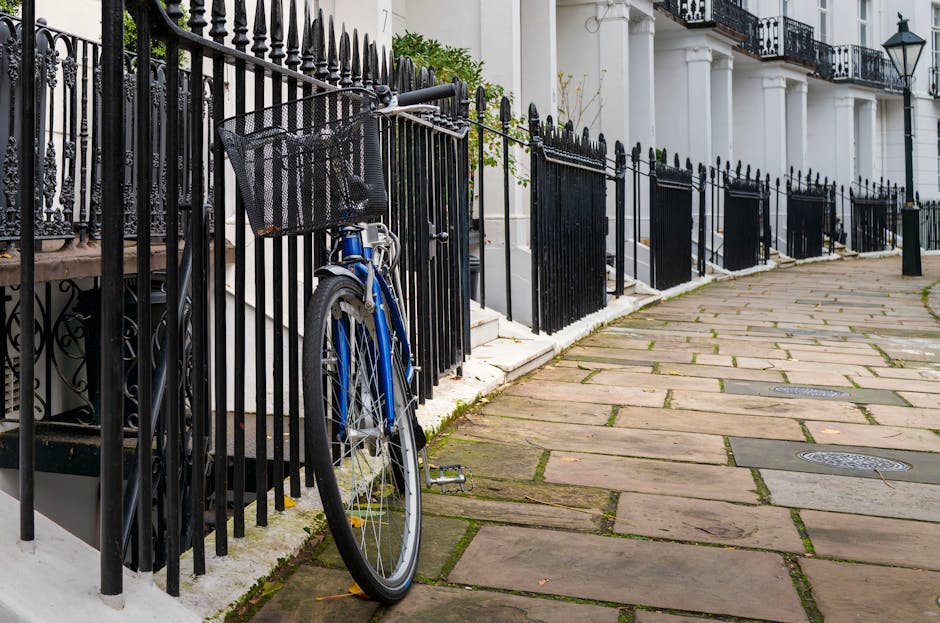
South Kensington Flat Removals Brompton Narrow Access Guide
Moving out of a South Kensington flat sounds simple enough until you meet the reality of Brompton's narrow staircases, tight entrances, awkward mews access, and the sort of parking situation that makes everyone glance at the clock. If you are planning a South Kensington flat removals Brompton narrow access guide, this article is for you. It explains how narrow-access moves actually work, what tends to go wrong, and how to make the whole thing feel far less chaotic. Truth be told, the difference between a smooth move and a stressful one is usually a bit of planning, a clear access check, and the right removal setup.
Below, you will find practical steps, realistic examples, and a few hard-won tips for getting bulky furniture through tight Brompton access without scraping walls or losing half the morning to guesswork.
Quick practical summary: Narrow-access flat removals in South Kensington usually go best when you measure everything twice, pre-pack well, reserve enough loading time, and choose the right vehicle and crew size for the building. Small details matter here. A lot.
- Why narrow access matters in South Kensington and Brompton
- How the removal process works in tight-access flats
- Key benefits and practical advantages
- Who this guide is for
- Step-by-step moving guidance
- Expert tips for a smoother move
- Common mistakes to avoid
- Tools, resources and recommendations
- Law, compliance, standards and best practice
- Options and comparison table
- Real-world example
- Practical checklist
- Conclusion
- Frequently asked questions
Why South Kensington flat removals Brompton narrow access guide Matters
Narrow access changes almost everything about a flat move. In South Kensington and Brompton, the building itself often becomes the main challenge: skinny hallways, split-level entrances, basement flats, upper-floor walk-ups, conservation-style layouts, and shared landings where there is rarely much room to turn a sofa. If you plan as though it is a standard move, you usually end up with delays, stress, or damage. Nobody wants that on moving day, especially when there is a van waiting and a neighbour politely pretending not to be irritated.
The guide matters because a tight-access move is less about brute force and more about coordination. You need to think about furniture dimensions, route planning, parking, lift use if available, stair turns, and how many hands are actually needed. You also need to think about the building rules. Some blocks require advance notice, temporary protective measures, or agreed loading times. Even where rules are informal, the expectations are real.
There is also the human side. A narrow staircase is not just an inconvenience; it can turn a simple removal into a long, exhausting process if everyone is carrying the wrong expectations. A clear plan helps protect your belongings and keeps the day moving in a controlled, calm way. And yes, calm is a luxury on moving day, but it is not impossible.
If you want a broader overview of flat move options, the flat removals page is a useful place to start, while the wider removal services overview can help you compare service types.
How South Kensington flat removals Brompton narrow access guide Works
A narrow-access flat removal is usually built around three phases: pre-move assessment, controlled packing and loading, and a careful exit strategy. The best outcomes come from treating the building like a puzzle. Where can large furniture actually turn? Which items must be dismantled? Can a van park close enough to reduce carrying distance? Will the move need stair protection or extra time because of split-level access?
In practice, the process often starts with a detailed access review. That may include photos, measurements, notes about door widths, ceiling heights, stair landings, and any tight bends. It is not overkill. A five-minute measurement can save an hour of back-and-forth on the day. If a wardrobe needs disassembly or a mattress needs protection, you want to know that well before the lift doors open or the stairwell becomes a bottleneck.
For many flat moves in this part of London, the best vehicle is not the biggest one. Sometimes a smaller van and a well-organised crew are far more effective than a large vehicle that cannot wait nearby or park legally. If the move is light, man and van can be a practical option; if you need something a little more structured, the removal van and moving truck pages are worth comparing against the access at your building.
People sometimes assume the hardest part is carrying the furniture. Often it is not. It is the slow, awkward edge cases: the fridge that will not turn on the landing, the mirrored wardrobe that needs two people and a prayer, the box pile that blocks the entrance because someone packed too well but stacked too much. That is where a proper access guide earns its keep.
Key Benefits and Practical Advantages
Getting the access plan right brings a lot of practical advantages, some obvious and some less so.
- Less risk of damage: Narrow hallways and tight turns are where scuffs, chips, and accidental knocks happen. A proper plan reduces those risks.
- Faster loading and unloading: When the route is mapped out, the crew spends more time moving and less time figuring out where things fit.
- Better use of labour: You can assign the right number of people to the right items instead of overstaffing or scrambling.
- Less stress for neighbours and building management: A tidy, controlled move usually causes fewer complaints and fewer awkward conversations in the stairwell.
- More accurate quotes: If access is clearly described, pricing is usually more realistic from the start.
- Smarter packing decisions: Knowing a chest of drawers may need dismantling changes how you pack, label, and protect it.
There is another advantage people do not always mention: confidence. When you know the route, the timing, and the likely pinch points, the move feels manageable. You are not relying on luck. You are relying on preparation.
For people moving between flats, it can also make sense to combine access planning with packing and boxes support or even packing and unpacking services if time is tight.
Who This Is For and When It Makes Sense
This guide is for anyone moving out of, or into, a flat in South Kensington or the wider Brompton area where access is not straightforward. That usually includes basement flats, top-floor conversions, mansion block apartments, period properties, and places with narrow shared entrances. It is also useful if you are moving around a staircase with several turns, or if a lift exists but is too small for your larger furniture.
It is especially relevant if you are:
- moving a one-bedroom or two-bedroom flat with bulky furniture
- relocating from a basement or upper-floor apartment
- moving on a busy street with limited loading access
- trying to avoid damage to common areas or stairwells
- working to a tight schedule, such as a tenancy handover or completion day
- moving student or shared accommodation with lots of boxes, but not much space
It can also suit people who only need partial help. Not every move needs a full truck. Sometimes a man with a van setup is enough for a few rooms, while a larger flat might require a more complete service. If you are moving high-value or awkward items, such as a baby grand or upright piano, then piano removals is obviously the safer route.
And if you are moving out of the area but need temporary flexibility, short-term storage can reduce pressure a surprising amount. Sometimes it is the difference between rushing and breathing.
Step-by-Step Guidance
Here is a practical way to handle a narrow-access flat move without making it more complicated than it needs to be.
-
Measure the access, not just the furniture.
Measure door widths, stair turns, hallway corners, lift dimensions, and the biggest pieces you own. Do not forget side details like banisters, radiators, and low ceilings on the way down. A piece that is technically narrow enough may still be impossible to angle through a landing. That happens more often than people expect.
-
Identify the awkward items early.
Large wardrobes, bed frames, mirrors, desks, and sofas are common troublemakers. Decide whether they will be dismantled, wrapped, or moved as-is. If something feels borderline, assume it needs a plan B.
-
Check the building rules and loading constraints.
Flat moves in South Kensington often involve shared entrances or managed buildings. Confirm any lift booking, access windows, or protection requirements. If there is a porter or building manager, speak to them before moving day. A brief conversation can save a lot of standing around in the morning drizzle.
-
Pack for handling, not just for storage.
Use sturdy boxes, sensible weight distribution, and clear labelling. Heavy books in tiny boxes, lighter items in larger boxes. It sounds obvious, but a badly packed box makes narrow stairs much harder to manage.
-
Choose the right vehicle and crew.
For some flats, a compact vehicle is easier than a larger lorry. For others, the priority is manpower because items must be carried for longer distances. If your move is bigger, compare removal truck hire with a more flexible removal van setup.
-
Protect the route before the first box moves.
Floor protection, corner guards, and doorway padding are worth the time, especially in older properties. Narrow access often means repeated contact with the same edges. Protection is cheaper than repair. Simple as that.
-
Load with the exit route in mind.
The van should be packed in the order of unloading, with urgent essentials easy to access. Keep documents, keys, and first-night items separate. If you need the move to happen quickly, a well-sequenced load matters just as much as the packing itself.
If your move needs to happen at short notice, same-day removals may be worth considering, though it is still sensible to be realistic about access and preparation. Same-day does not mean no planning. Sadly, the stairs do not care about your deadline.
Expert Tips for Better Results
After enough flat moves, a few patterns become obvious. The first is that good access notes beat vague descriptions every time. Saying "a bit tight" is not as useful as saying "two narrow turns, one half-landing, and a lift that fits boxes but not sofas." The second is that the day tends to go better when there is a single decision-maker on site. Too many voices in the stairwell can slow things down.
Here are some small but important tips:
- Photograph the tricky parts in daylight. Even a phone picture of the stairwell can help a mover understand the problem faster than a paragraph of text.
- Remove loose fittings before moving day. Lamp shades, shelves, and detachable handles are easy to forget and annoying to deal with mid-carry.
- Keep an access buffer. In London, something almost always takes longer than planned: parking, lift waits, or a neighbour coming through the entrance at exactly the wrong moment.
- Label boxes by room and priority. Not all boxes are equal. Kettle, bedding, chargers, and toiletries should not disappear into the same pile as winter coats and books.
- Use proper wrapping for fragile pieces. Mirrors, framed art, and glass tabletops need more than good intentions.
If your move includes a lot of furniture, you may also want to review furniture removals or furniture pick up if you are clearing items rather than relocating them.
One more thing, and it sounds small: keep hallway conversation to a minimum during the busiest part of loading. Everyone is friendlier when they are not trying to pivot a sideboard through a tight doorway. It is just one of those things.
Common Mistakes to Avoid
Most problems in narrow-access removals come from a short list of predictable mistakes. The good news? They are avoidable.
- Underestimating furniture dimensions: Measuring only the flat face of a wardrobe is not enough. Angles matter.
- Not checking the stair geometry: A sofa may fit lengthwise in theory but fail at the landing turn.
- Packing boxes too heavy: Heavy boxes slow down stair carrying and raise the chance of drops.
- Leaving access checks too late: Waiting until the day before to notice a problem is a classic moving-day headache.
- Ignoring building etiquette: Shared hallways, lifts, and entrances need care. A rushed move can upset neighbours and damage communal areas.
- Choosing the wrong vehicle size: Bigger is not always better if the street or entrance is awkward.
There is also a subtle one: trying to save time by not disassembling something that clearly should come apart. That usually costs more time in the end. And sometimes a scraped wall. Nobody ever looks back and says, "Good thing we forced the wardrobe through."
Tools, Resources and Recommendations
You do not need a warehouse of specialist tools to handle a narrow-access move well, but a few basics make a huge difference. A tape measure is non-negotiable. So is a notebook or phone notes app for tracking dimensions, access notes, and item priorities. Furniture blankets, stretch wrap, tape, and sturdy box cutters are all useful. For more delicate jobs, trolley use may help, though in very tight buildings it is not always practical on stair sections.
From a service perspective, the right support depends on the size and complexity of the move. For a small flat, man and van can be efficient and flexible. For bigger moves with more furniture and more boxes, a fuller removals package may be better. If the move is tied to an office or work setting, office removals and office relocation services are relevant adjacent options, especially if you are coordinating people as well as furniture.
A practical recommendation: keep one bag or box aside for first-day essentials. Put in toiletries, chargers, basic utensils, medications, documents, and a change of clothes. You will thank yourself later, usually around the moment when every other box looks identical.
If you are comparing providers, you may also want to look at removal companies, about the team, and pricing and quotes so you can judge experience, transparency, and fit before committing.
Law, Compliance, Standards, or Best Practice
For a flat move in a busy London area, compliance is less about dramatic legal language and more about sensible, professional practice. You should expect movers to handle items safely, respect building rules, and take reasonable care with property and belongings. If a company provides removal work, it should also be transparent about insurance, responsibilities, and terms. The exact coverage and conditions can vary, so it is worth reading the paperwork carefully before moving day.
Good practice usually includes:
- clear communication about access limitations
- safe manual handling and sensible lifting technique
- appropriate packing for fragile and heavy items
- care for shared hallways, lifts, and entrance areas
- reasonable timing and planning for loading restrictions
- transparent service terms and payment expectations
It is also sensible to check the provider's insurance and safety, health and safety policy, and terms and conditions. Those pages help you understand how the service approaches risk, liability, and customer responsibilities. The fine print is not exciting, admittedly, but it matters when a sofa corner is navigating a stairwell at 8:10 in the morning.
If sustainability matters to you, it is also reasonable to ask how unwanted furniture will be handled. The recycling and sustainability information can help frame that conversation, particularly if your move includes disposal or downsizing.
Options, Methods, or Comparison Table
Choosing the right moving method in a narrow-access area is mostly about matching the job to the building. Here is a simple comparison.
| Option | Best for | Strengths | Trade-offs |
|---|---|---|---|
| Man and van | Small flats, a few items, flexible timing | Agile, often easier on narrow streets, good for lighter loads | Less suitable for larger furniture volumes or complex moves |
| Removal van | Typical flat removals with moderate furniture | Good balance of space and practicality | May still need careful parking and loading coordination |
| Moving truck | Bigger loads and fuller flat contents | More capacity, useful when moving a whole household | Harder to position on restricted streets or tight access roads |
| Storage plus removal | Staggered moves, downsizing, or delayed completion | Reduces pressure and helps with timing gaps | Requires extra coordination and a second handling step |
In a place like South Kensington, the most expensive option is not always the best one. The best option is the one that fits the access. If you are unsure, the safer route is usually to describe the building in detail and ask for a recommendation rather than guessing at vehicle size.
Case Study or Real-World Example
Picture a third-floor flat in Brompton with a narrow stairwell, a heavy bed frame, a dining table, several mirrored cabinets, and a landing that only just allows two people to pass comfortably. On paper, it looks manageable. In reality, the wardrobe will not make the turn without being partially dismantled, and the sofa needs to be carried vertically through one section before rotating near the top landing.
In a situation like that, the move usually goes better when the process is broken into smaller tasks. First, the furniture is measured and flagged. Next, the removable pieces are taken off in advance. Then fragile surfaces are wrapped and the stair route is cleared. Finally, the loading order is planned so the most awkward items are handled first, when the crew is fresh and there is still space to manoeuvre.
What changes the day most is not heroics. It is the lack of surprises. The crew knows the bed frame will need attention. The client knows to keep the corridor clear. The van is parked close enough to cut carrying time. And because no one is improvising wildly in the stairwell, the move feels more controlled than dramatic. Which, honestly, is exactly what you want.
When the day ends well, people often say the same thing: "It was tight, but it worked." That is usually the sign of a properly planned narrow-access flat removal.
Practical Checklist
Use this checklist before moving day. It keeps the important bits in one place, which is handy when your head is already full.
- Measure all key furniture pieces, including height, width, depth, and any removable parts.
- Measure doorways, stair turns, landings, and lift dimensions.
- Take photos of the access route in daylight.
- Confirm parking, loading, or building access arrangements.
- Tell movers about awkward items, tight corners, and fragile finishes.
- Disassemble items that clearly will not fit safely as one piece.
- Pack heavy items into smaller boxes.
- Label all boxes by room and priority.
- Keep essentials separate for the first 24 hours.
- Protect floors, door frames, and shared areas where needed.
- Check insurance, terms, and safety information before booking.
- Have a backup plan if access turns out tighter than expected.
That last one matters more than people think. A backup plan is not pessimistic; it is calm preparation.
Get a free quote today and see how much you can save.
Conclusion
South Kensington flat removals in Brompton are rarely difficult because of distance. They are difficult because of access. Narrow staircases, awkward turns, limited street space, and older building layouts all ask for a more thoughtful approach than a standard move. Once you accept that, the rest becomes much easier to manage.
The real win is not just getting the boxes out. It is getting them out safely, efficiently, and without turning the building into a battleground of scratched corners and rushed decisions. Measure carefully, pack sensibly, choose the right vehicle, and make access part of the plan from the beginning. Small effort up front saves a lot of noise later on.
If you are planning a move soon, take it one step at a time. The process is more manageable than it first looks, and with the right preparation, even a narrow Brompton staircase can feel less like a problem and more like a route that simply needs the right approach.
Frequently Asked Questions
What makes South Kensington flat removals in Brompton harder than a normal move?
The main challenge is access. Many flats have narrow staircases, limited turning space, shared entrances, or difficult parking nearby. That means planning matters more than brute strength.
How do I know if my sofa or wardrobe will fit through the stairs?
Measure the item carefully, then measure the stair width, landing space, and corner turns. If the item is close to the limit, assume it may need dismantling or specialist handling.
Should I choose a man and van or a bigger removal vehicle?
For smaller flat moves with limited furniture, a man and van setup can be efficient. For fuller flats, a larger vehicle may be better, but only if the street access can support it.
Do I need storage during a narrow-access flat move?
Not always, but storage can be helpful if your move dates do not line up, if you are downsizing, or if you want to move in stages. It reduces pressure, which is often worth a lot.
What should I tell the movers before moving day?
Share the stair layout, lift size if relevant, any awkward furniture, access restrictions, parking constraints, and anything that might slow the move down. The more precise you are, the better.
Can a same-day move work in a narrow-access Brompton flat?
Yes, in some cases. But same-day removals still need realistic access planning. Tight stairs and limited parking do not become easier just because the move is urgent.
Is packing and unpacking help useful for flat removals?
Very often, yes. If you are working to a tight tenancy deadline or have lots of fragile items, packing and unpacking services can save time and reduce mistakes.
What is the biggest mistake people make with narrow access moves?
Underestimating the access route. People focus on the boxes and forget the corners, turns, and landings. That is usually where the day gets difficult.
How can I reduce the risk of damage in communal areas?
Use floor and doorway protection, keep routes clear, and move carefully with enough people for heavier items. Good communication with neighbours or building management also helps.
Do I need to worry about insurance and safety?
Yes, definitely. You should always check how a provider handles safety, liability, and insurance before booking. It is one of those boring details that becomes very interesting if something goes wrong.
What type of move is best for students in South Kensington or Brompton?
If you only have a few boxes and small furniture, a lighter service can work well. For more help, student removals is often a sensible match, especially when timing is tight.
Where should I start if I am feeling overwhelmed?
Start with measurements, then build your plan around the biggest item and the narrowest point. Once those two things are clear, the rest of the move becomes much easier to organise. One step at a time, honestly.